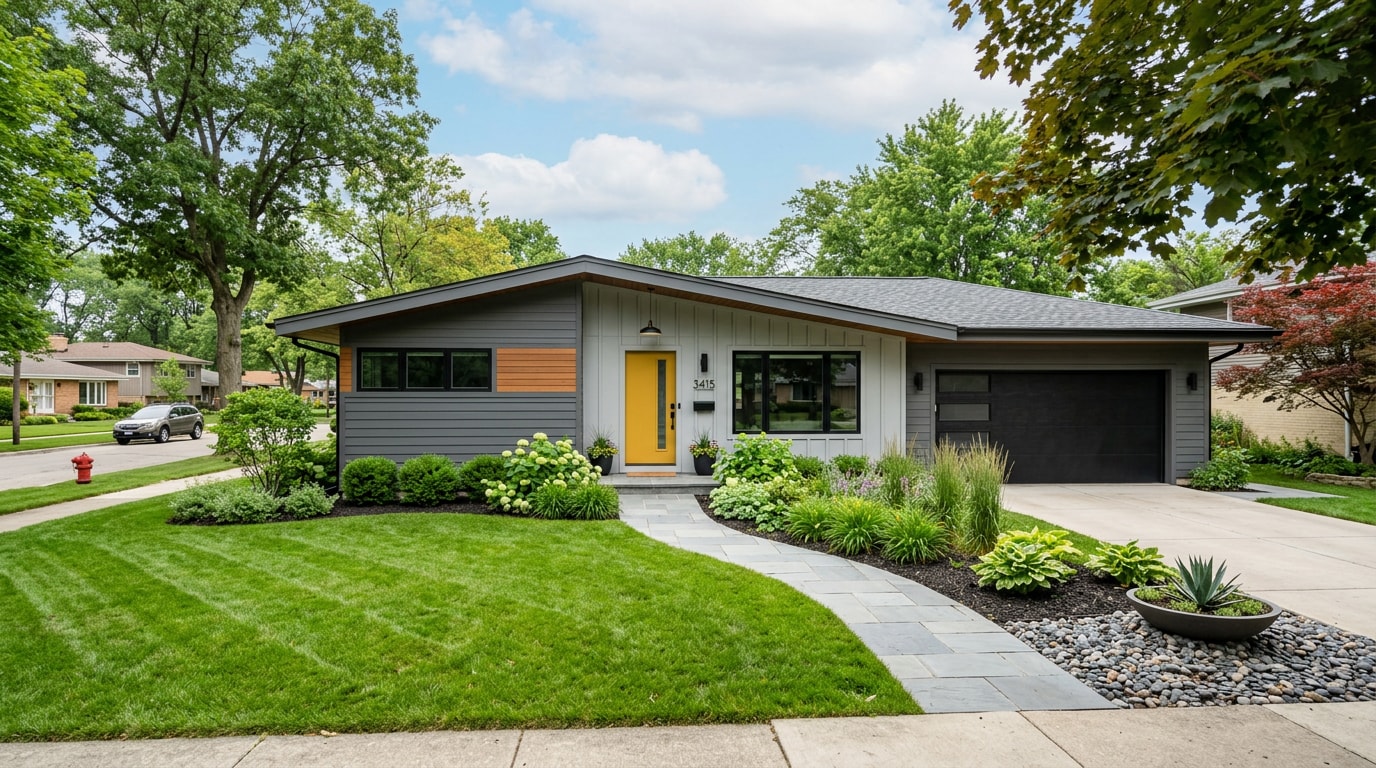
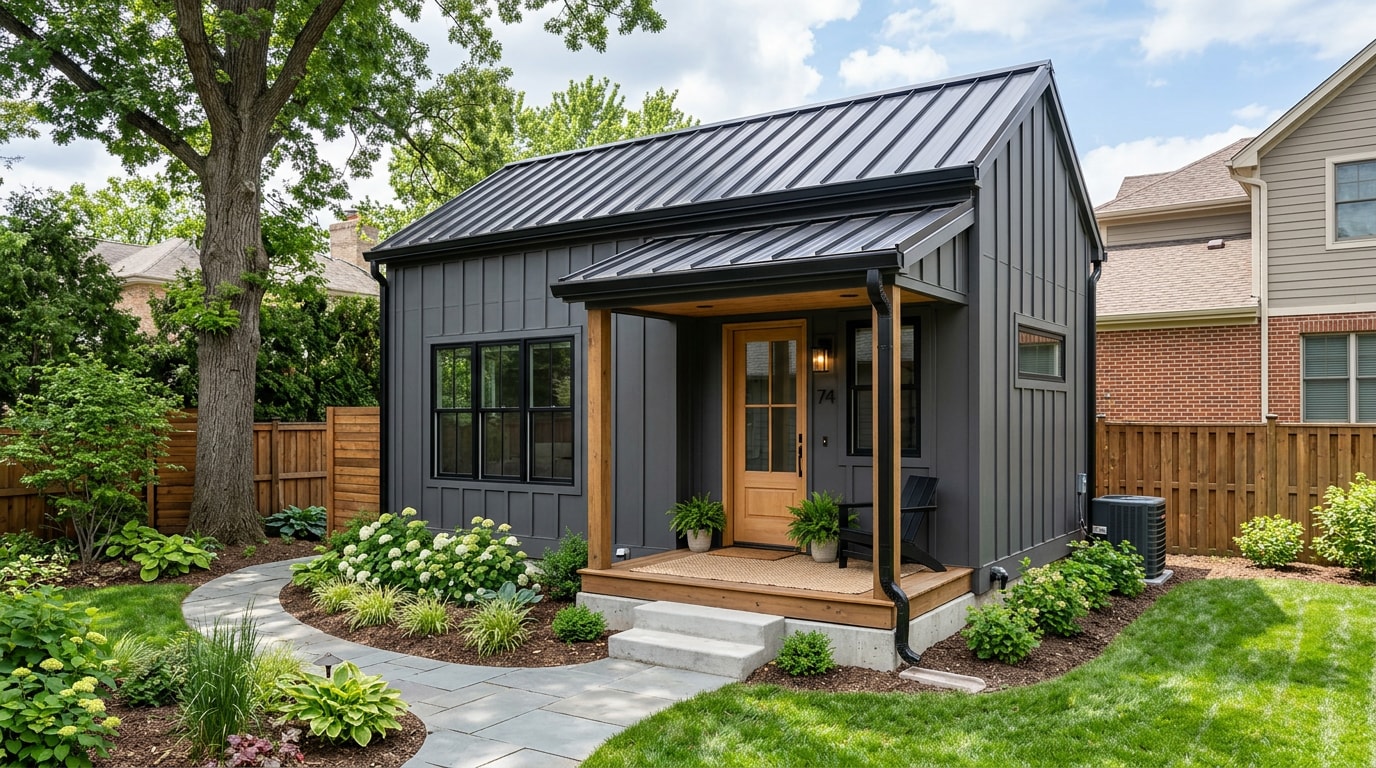
Modular home builders Lombard, IL buyers end up hiring are rarely the cheapest quote in the stack. They're the ones who explain code, real cost, and timeline before they ever ask for a deposit. This guide breaks down 2026 DuPage County numbers, the step-by-step build process, and where a licensed general contractor fits in once the modules are set on the lot.
Modular vs. Manufactured vs. Mobile Homes: Know the Difference First
A modular home is built in a factory to the same residential building code that governs a site-built house in Lombard, then shipped in sections and assembled on a permanent foundation. A manufactured home follows a different rulebook entirely.
Manufactured housing is built on a permanent chassis and is subject to the Manufactured Home Construction and Safety Standards developed by HUD, while modular housing is subject to the code requirements of the final jurisdiction, typically based on the International Residential Code. That distinction changes financing, permitting, and resale value down the line, so it's worth getting straight before you request a quote.
Here's the quick-reference version:
| Feature | Modular Home | Manufactured Home | Mobile / Park Model |
|---|---|---|---|
| Code it's built to | State/local residential code (IRC-based) | Federal HUD Code | Federal HUD Code |
| Foundation | Permanent foundation required | Often a steel chassis, foundation optional | Chassis, typically non-permanent |
| Local zoning treatment | Same as a site-built house | May be restricted to designated communities | Usually restricted to parks |
| Typical financing | Conventional, FHA, VA, USDA | Chattel loan or manufactured-home mortgage | Chattel loan |
There's also a simple physical check once a home is finished: every completed Illinois modular unit carries a small metal insignia tag, usually near the electrical panel or inside a closet, confirming it passed factory inspection. If a salesperson uses "modular" and "manufactured" interchangeably, ask directly which code the home is built to. Browse completed work on our projects page to see the finish quality this standard produces.
What Does a Modular Home Cost in Lombard and DuPage County?
Pricing is where most buyers get surprised, usually because online quotes rarely separate the base unit from everything it takes to actually move in.
A modular home in the Lombard area typically runs in the range of $85 to $155 per square foot installed, before land, based on recent regional contractor estimates. That puts a 1,500 square foot home at roughly $125,000 to $250,000 to build and set on a foundation. Land, site work, and foundation type move that number more than anything else for a specific lot.
National base-model figures land in a similar range. A 1,500 sq. ft. modular base unit typically costs $75,000 to $150,000, with a complete turn-key installation running $120,000 to $240,000 once site work is added. Foundation work is its own line item, averaging $6,000 to $20,000 depending on whether it's a crawl space, slab, or full basement.
Be skeptical of any quote that falls far below these ranges. A price near $117,000 for an 1,800 square foot home almost always excludes the foundation and site work, so ask exactly what's included before comparing bids.
Here's a rough cost breakdown for a typical Lombard-area build:
| Cost Component | Typical Range |
|---|---|
| Base modular unit (1,500 sq ft) | $75,000 – $150,000 |
| Foundation (crawl space or basement) | $6,000 – $20,000 |
| DuPage County permit & impact fees | $3,000 – $8,000 |
| Utility tie-in (water, sewer, electric) | $5,000 – $15,000 |
| Site preparation & grading | $5,000 – $20,000 |
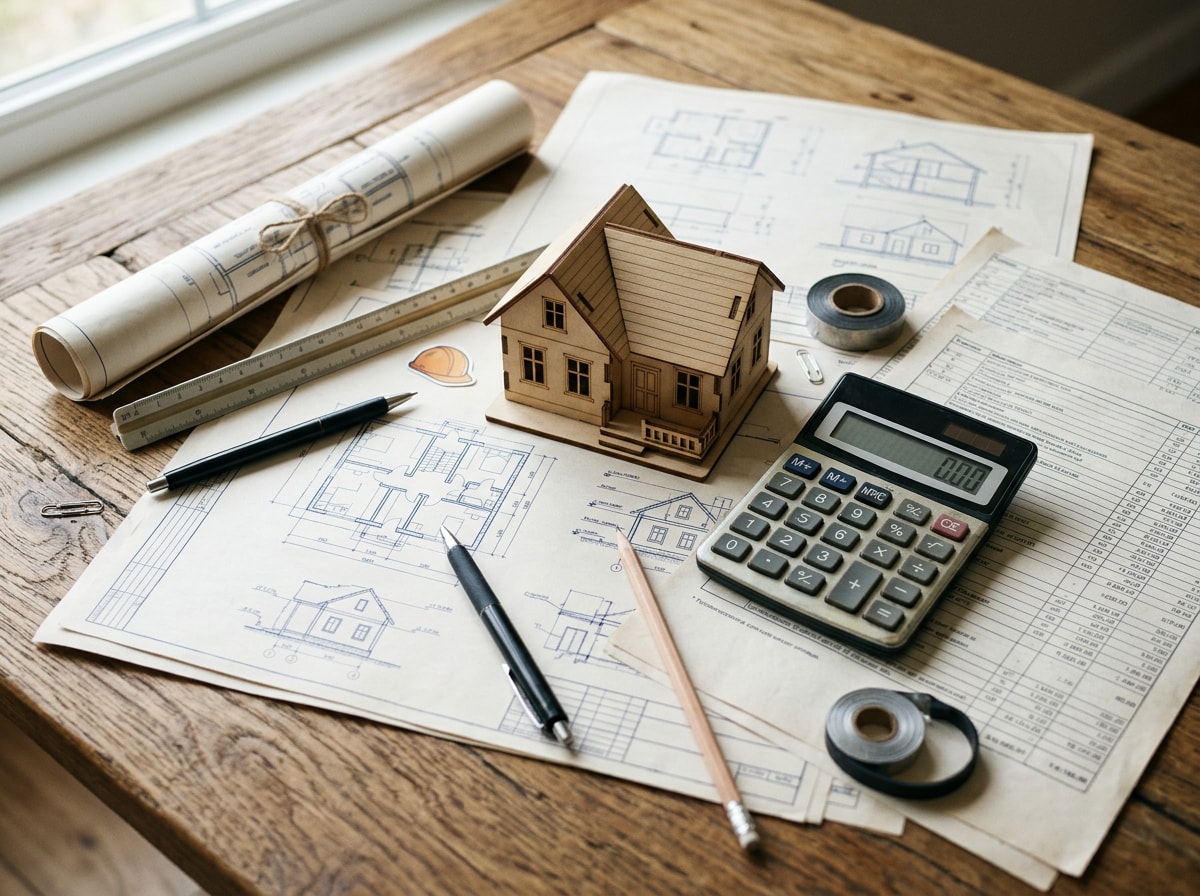
Permit and impact fee figures vary by municipality, so confirm current rates with DuPage County's Building and Zoning Department before finalizing a budget. If you want a line-item breakdown for your actual lot, request a free estimate and we'll walk through what's realistic before you sign anything.
Benefits of Building Modular in Illinois
Illinois's unpredictable weather and climbing construction costs make factory-built housing more appealing every year. Three benefits come up again and again for Lombard-area buyers: price, speed, and design flexibility.
Cost savings. Modular homes typically cost 10 to 25% less than a comparable site-built home, largely from streamlined manufacturing and reduced on-site labor. In DuPage County, where land and skilled-trade costs sit above the state average, that gap matters more than it would in a cheaper market.
Faster build times. Illinois winters delay traditional construction badly, frozen ground, snow days, and spring rain all push back site-built schedules. Modular construction sidesteps much of this because factory crews build the modules indoors while a site crew handles grading and foundation work outdoors at the same time. A conventional home might take 9 to 12 months to complete in Illinois, while module production for a modular home often wraps in 3 to 4 months. That 3 to 4 month figure covers factory production only. Permitting, utility hookups, and site work extend the full timeline, so treat it as the factory portion, not the move-in date.
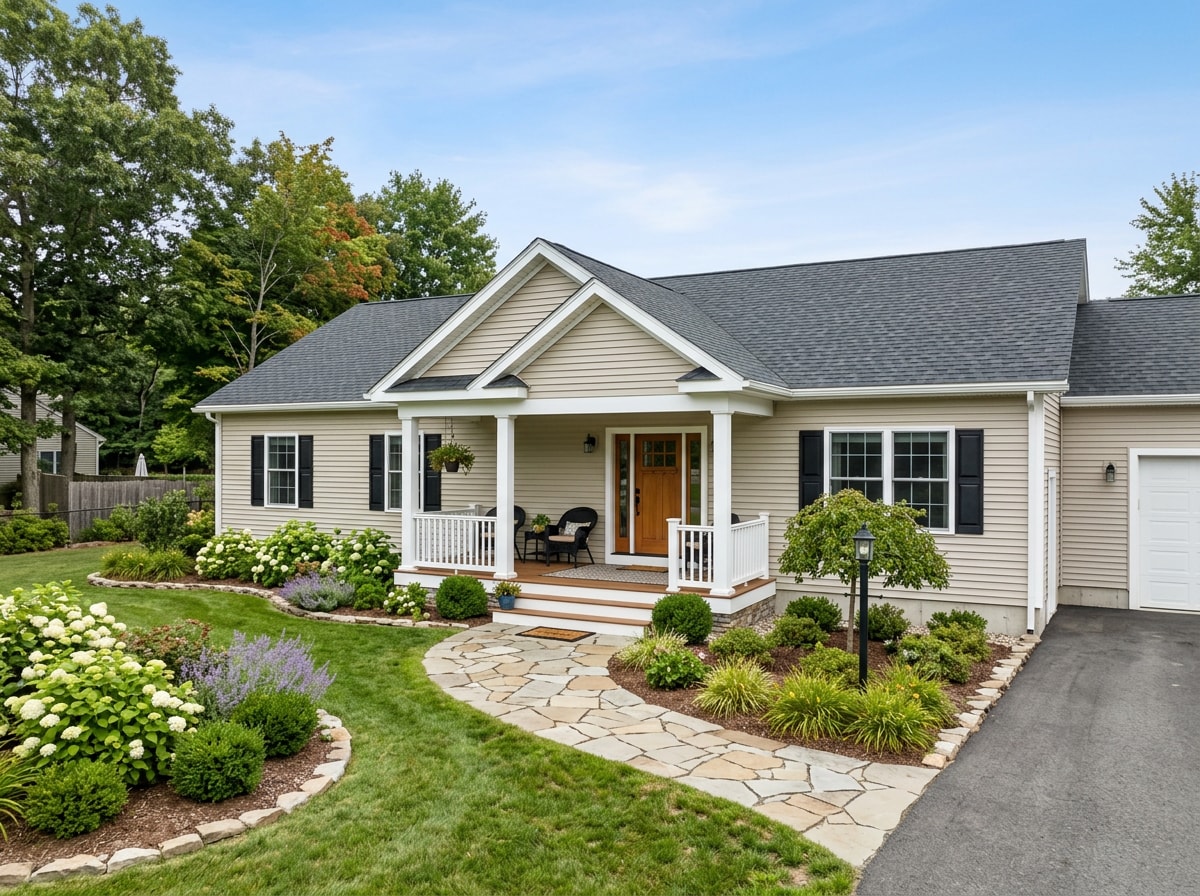
Design flexibility. Lombard's housing stock ranges from historic bungalows near downtown to larger farmhouse-style homes in newer subdivisions. Manufacturers now offer custom floor plans with rooflines, porch styles, and window placements that echo established Lombard architecture instead of a boxy, one-size-fits-all layout. Open-concept kitchens, primary suite placement, and flex rooms can all be adjusted before a single module reaches the factory floor.
If you're comparing new construction options in nearby DuPage communities, our guide to home builders with plans and prices in Indian Head Park, IL covers the same cost-versus-customization tradeoffs.
How the Modular Build Process Works
Factory construction and site preparation run on parallel tracks, which is exactly why modular homes finish faster than traditional builds.
- Design and permitting. Floor plans are finalized and submitted for local approval while the manufacturer schedules factory production.
- Site work begins. Grading, foundation pouring, and utility rough-in happen on your lot while modules are built indoors.
- Factory production. Modules move through climate-controlled assembly, protected from the weather delays that slow site-built framing.
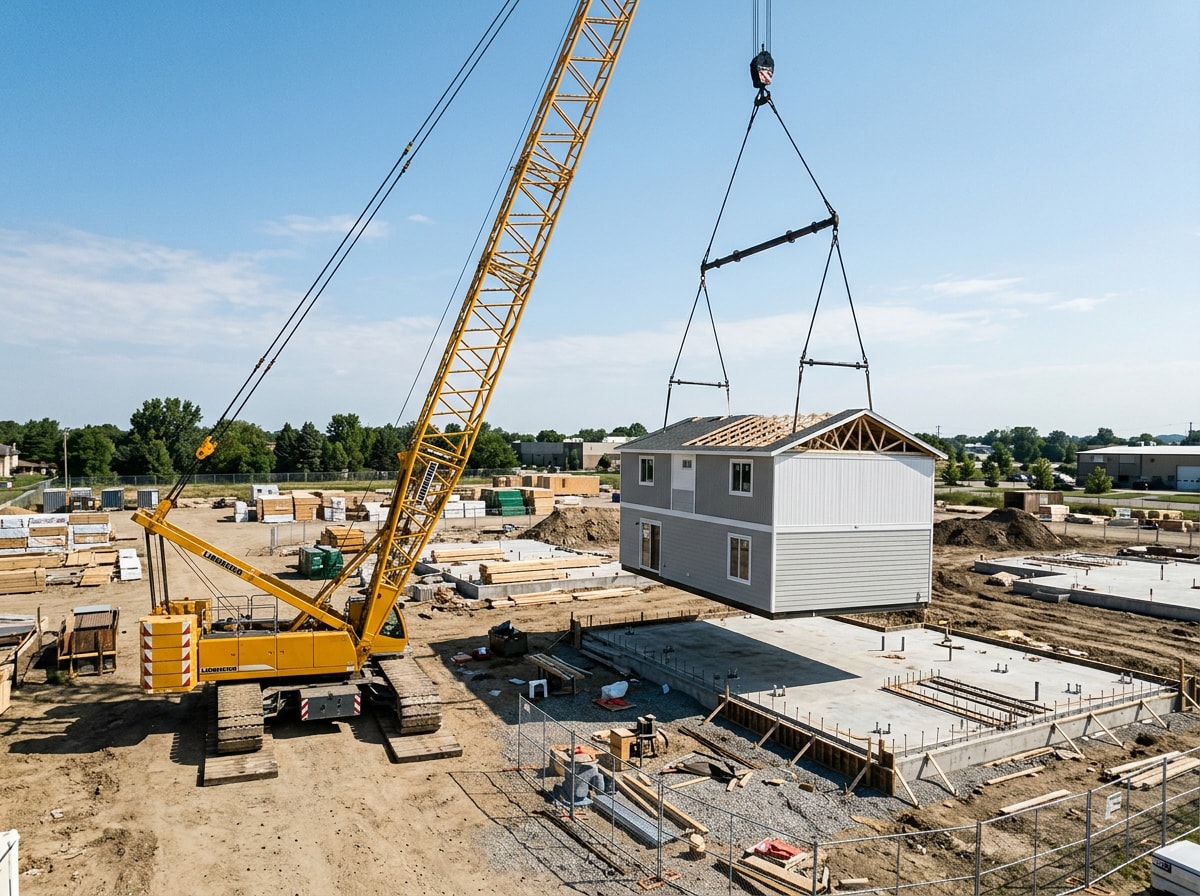
- Transport and crane set. Finished modules are trucked to the site and lifted into place, a phase that typically takes just 1 to 2 days.
- Final tie-in and inspection. Crews connect utilities, seal module seams, and finish interior details before the final occupancy inspection.
Modular housing is subject to the code requirements of the final jurisdiction, typically based on the International Residential Code , the same standard a site-built house has to meet, according to the ICC's off-site construction program. Reputable builders walk clients through this sequence before any contract is signed.
Lombard's winters add a wrinkle worth planning around. Crane set days need reasonably calm, clear weather, so scheduling between December and February can mean waiting for a weather window, which can push final assembly back by a week or more.
Permits and Financing for a Modular Home in Illinois
Permits. A modular home still needs a building permit, the same as any new house. Plans must show compliance with the applicable residential code and local zoning before installation begins. In Lombard, that typically means submitting plans through the village's building division, while unincorporated nearby sites go through DuPage County directly. DuPage County's Building and Zoning department handles building projects and permits for unincorporated areas, and the county building code has been updated with changes effective January 1, 2024. Confirm which jurisdiction covers your lot early, since review timelines vary.
Financing. Conventional mortgages, FHA Title II loans, VA loans, and USDA rural loan options are all available for a modular home set on a permanent foundation, the same menu available to site-built buyers. For 2026, FHA set core loan limits for single-unit properties at $541,287 in low-cost areas and $1,249,125 in high-cost areas , figures worth confirming directly with a lender since they're county-specific and adjust annually.
Modular financing has narrowed its gap with site-built financing in recent years as more lenders recognize construction-code modular homes as equivalent to a traditional build. Many buyers use a construction-to-permanent loan that converts automatically to a standard mortgage once the home passes final inspection, avoiding a second closing. HUD's manufactured housing program separately regulates homes built to the federal construction standard, and every qualifying section must carry a certification label, commonly called a HUD Tag, confirming it meets those standards. That label requirement is one more reason to confirm which code your home is built to before you apply for financing.
Where ProOne Builders Fits In
ProOne Builders isn't a modular home manufacturer. We're a DuPage County general contractor, and the part of this process buyers underestimate most is everything that happens after the crane leaves.
Our crews coordinate foundation prep, utility tie-ins, and finish work around modular placements for homeowners in Lombard and neighboring communities. The most common surprise isn't the module price, it's the gap between the factory production schedule and the full finish-to-move-in date once permitting and site work are added back in.
Once your modular home is set, the work doesn't stop. Homeowners regularly need help with room additions to expand a floor plan, basement remodeling to finish out unfinished square footage, or a full whole house renovation a few years down the road. Our general contractor services cover all of it, and our Lombard, IL service area page has more on how we work in your specific neighborhood.
If you're planning a modular build or need a GC to handle site work, additions, or renovations around one, visit ProOne Builders and request a free estimate before you finalize a contract.
FAQ
How Much Do House Builders Near Me Cost?
A custom site-built home runs $100 to $155 per square foot, while prefab or modular homes cost $80 to $160 per square foot using a pre-designed floor plan. The average cost to build a house overall is $155,000 to $416,000, not including land. Comparing several quotes side by side is the fastest way to see where your project actually lands.
Do I Need a Permit for a Modular Home in Illinois?
Yes. Plans must show compliance with the applicable residential code and local zoning before installation begins, the same requirement as any new house. In Lombard, that means submitting plans through the village's building division, while unincorporated nearby sites go through DuPage County. Confirm which jurisdiction covers your lot early, since review timelines vary.
What's the Difference Between a Modular and a Manufactured Home?
Modular homes are built to the state and local residential code, the same standard as site-built houses, while manufactured homes follow the federal HUD Code and may sit on a steel chassis rather than a permanent foundation. That difference affects financing, placement, and resale value. See the comparison table above for a side-by-side breakdown.
How Long Does It Take to Build a Modular Home?
Module production in the factory usually takes 3 to 4 months. The realistic start-to-finish answer also includes permitting, site work, and the crane set, which typically adds another 2 to 4 months in the Lombard area. Most buyers should plan for 5 to 8 months total, not just the factory window.
Can I Put a Modular Home on Any Residential Lot in Lombard?
Generally, yes, because modular homes are treated the same as site-built houses under local zoning. Manufactured homes face tighter restrictions and are often limited to designated communities by suburban ordinances. Always confirm zoning for your specific parcel before buying land or signing a build contract.